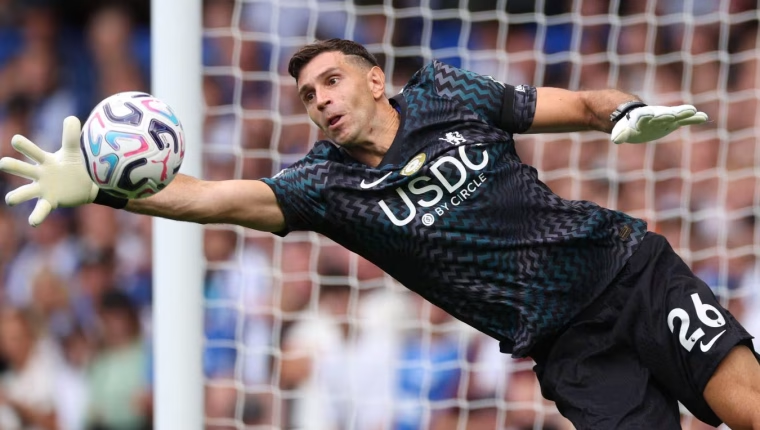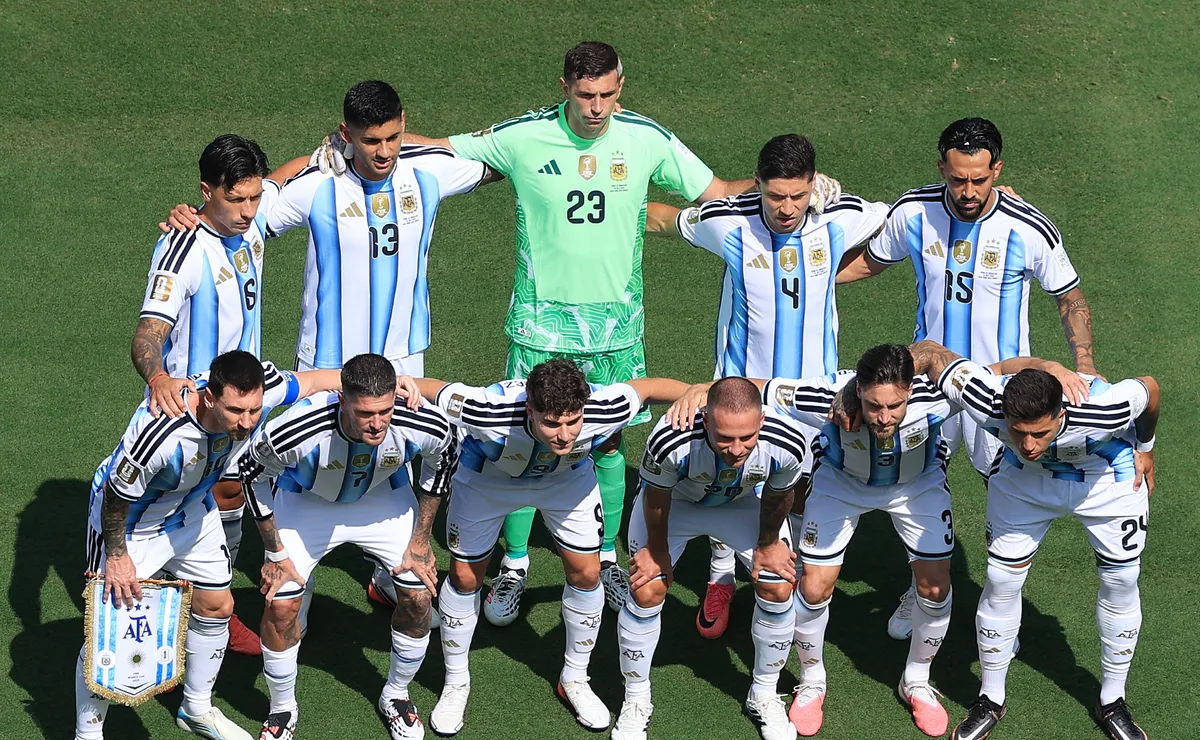
Argentina’s run to the 2026 World Cup final carried statistical weight beyond their second-place finish. FIFA’s comparative report on the six South American teams ranked Argentina as Conmebol’s best performer and the only side to play all eight possible matches. The 1-0 defeat by Spain in the decider ended another campaign in which Lionel Scaloni’s team remained in contention until the tournament’s final day.
The clearest gap appeared in attack. Argentina averaged 2.4 goals per match, ahead of Brazil on 2 and well clear of Colombia and Uruguay, both on 1. Ecuador finished on 0.5 and Paraguay on 0.6. That output put Argentina at the top of the scoring category even though they did not dominate shot volume: 14.4 attempts per game ranked fourth among the South American sides.
Possession also produced a concrete measure. Argentina completed 656 passes per match, almost one hundred more than second-placed Colombia on 557.8 and ahead of Brazil’s 548.4. The figure reflects an identity built around retaining the ball and connecting moves, but it does not mean Argentina led every attacking indicator: Uruguay topped crosses and corners, while Colombia recorded the most attempts.
The review also exposes a defensive and disciplinary cost. Argentina committed 14.1 fouls per match, the highest average among the six teams, and received two yellow cards per game. Brazil posted the lowest figures in both categories, with 10.2 fouls and 1.6 bookings. Argentina ranked second for free kicks taken at 14.3, narrowly behind Colombia’s 15.
The final standings completed the picture of the regional gap. Behind Argentina in second place came Colombia in tenth, Brazil in eleventh, Paraguay in sixteenth, Ecuador in twenty-fifth and Uruguay in thirty-seventh. None of those teams played more than five matches, while Argentina completed eight and reached a second consecutive World Cup final.
Statistics cannot replace the reading of individual matches or erase the defeat by Spain, but they define the scale of Argentina’s campaign. The team combined competitive endurance, scoring efficiency and South America’s highest passing volume. The next cycle will begin from that platform, with fewer fouls and a sharper conversion of control into another title opportunity among the challenges ahead.