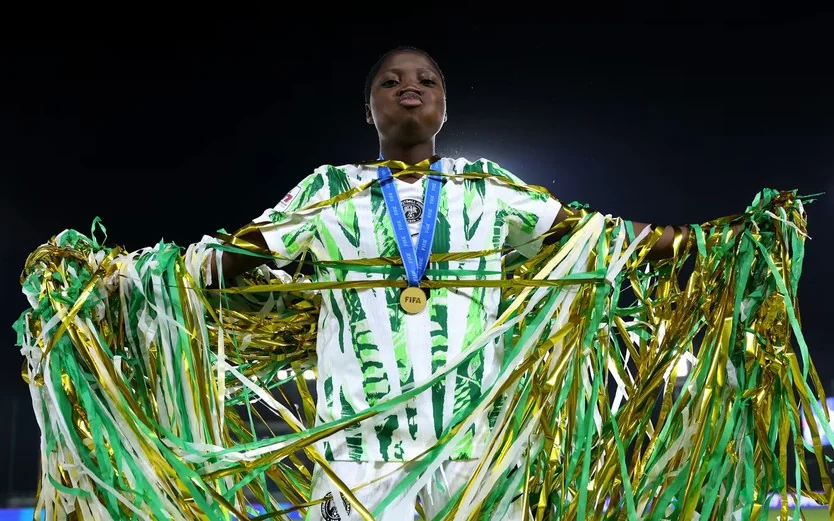
Nigeria defeated Japan 2-1 in Rabat to win the 2026 FIFA Under-17 Women’s World Cup, the first title by an African nation in this competition. The achievement is even broader: the Flamingos became the first African women’s national team to win a FIFA world tournament at any age level. Victory closed 22 days of competition and altered the historical map of youth football.
Awawu Bashiru opened the scoring after 39 minutes when Japanese goalkeeper Kou Kadowaki failed to control a ball that appeared contained. Shortly after half-time, Esther Stephen sent a long pass and Oluebube Umejiaku finished with a delicate lob in the 47th minute. The forward was named player of the final and ultimately received the tournament’s Golden Ball.
Japan did not withdraw from the match. Fuki Ito reduced the deficit in the 80th minute after Anri Ito’s headed assist, turning the closing phase into a demanding defensive exercise for Nigeria. The Asian side, appearing in its fourth final after eliminating Korea DPR, pressed throughout added time. Nigeria’s resistance protected the 2-1 score until the last whistle.
The champion’s route contained an unprecedented feature: it began with defeat. Nigeria lost 2-1 to Poland in its opening game but responded with six consecutive victories. It beat Puerto Rico 2-0 and Korea DPR 3-1 in the group; eliminated Mexico 2-1, edged Venezuela through a late Azeezat Oduntan penalty and defeated Brazil 3-1 before the final.
Umejiaku symbolised that transformation. Her goal against Japan was her fourth of the competition, yet her influence extended beyond the statistic: she attacked space, forced the defence backwards and produced the final’s highest-quality technical moment. Akeem Busari’s team turned its opening defeat into information, adjusted its game and reached the decisive match with a recognisable attacking identity.
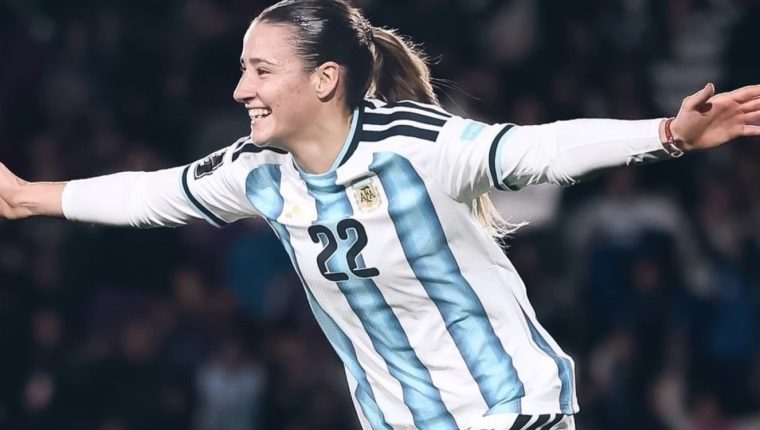
The edition also provided an Argentine advance. In its first appearance, Christian Meloni’s side reached the last 16 after defeating New Zealand and routing host Morocco. Mercedes Diz scored seven goals in four matches and produced a late equaliser against Ghana, although Argentina lost the shootout 5-4. The journey showed that the tournament’s growth was not limited to its champion.
Nigeria has broken a boundary that once appeared reserved for Asian and European powers. Korea DPR retain four titles, Spain have two, while Korea Republic, France, Japan and Nigeria each have one. Morocco will stage the competition again in 2027 and remain host through 2029. The next World Cup begins with a new reference: Africa no longer arrives only to compete; it arrives as defending champion.