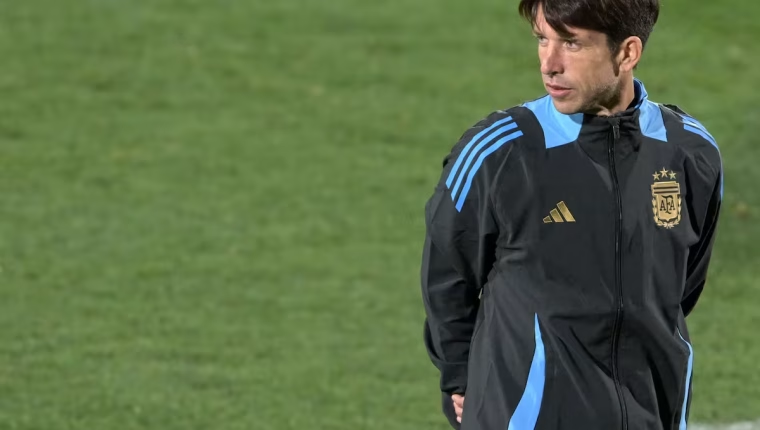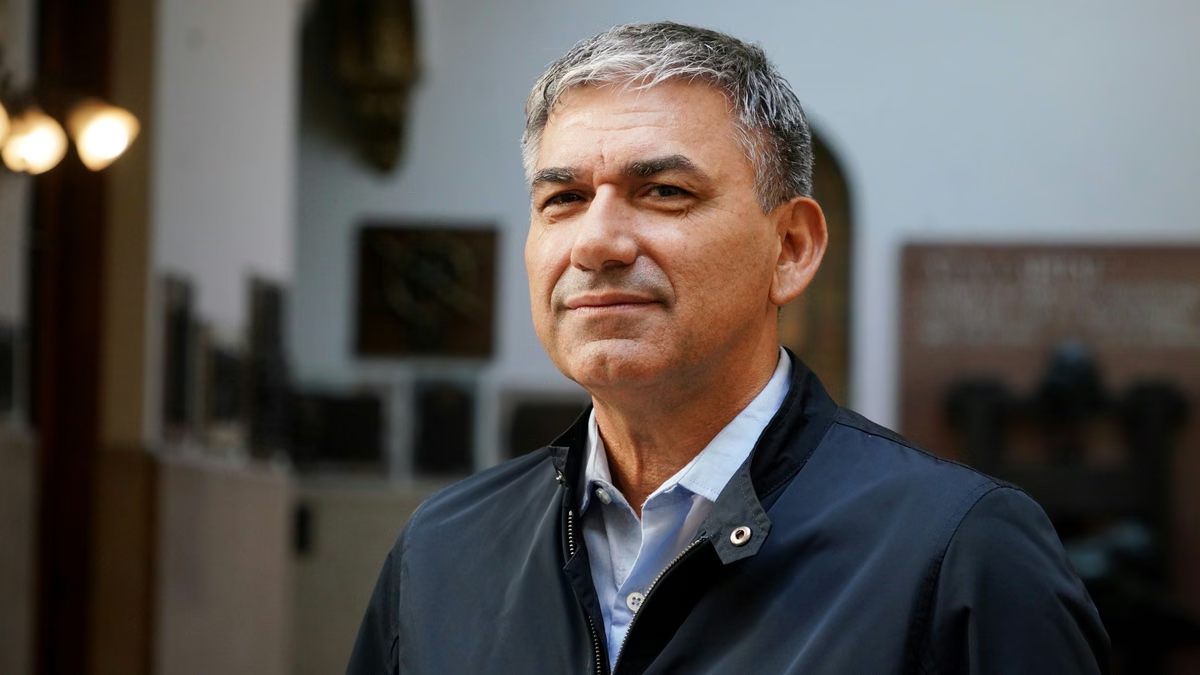
Argentino de Rosario has opened an institutional transition after accepting the resignations of Daniel Mariatti, the secretary, the treasurer and other members of its executive board. The internal succession will place Juan Mateo Chulich in charge through August 2029. This is not an early election but a reorganisation designed to complete the existing term and restore the club’s capacity to make decisions.
Chulich was a full board member and had accumulated eight years inside the structure. That continuity means he takes office with knowledge of files, obligations and tensions surrounding the Salaíto. At the same time, his promotion represents a visible break from Mariatti’s leadership, which ended after a football season far below expectations and a finish dominated by the battle to preserve divisional status.
Argentino retained its place in Primera C, but only after surviving decisive stages and winning the promotion playoff. Safety prevented the greater damage of relegation without correcting the sporting assessment. The new presidency therefore inherits a squad and project requiring review: recruitment, coaching leadership, budget and targets must be aligned so that mere survival no longer defines the institution’s horizon.
The departing leadership nevertheless defended progress beyond first-team results. It cited the removal of an embargo after settling debts dating from the 1980s and the consolidation of possession of a nine-hectare training property through an agreement with the previous national government. More than 700 footballers from reserve, youth, children’s, local-league and baby-football teams train and compete there.
The review also highlighted beach football, which won two consecutive AFA first-division championships, reached the current tournament’s semi-finals and plans to participate in the Copa Libertadores in Brazil. That branch offers Chulich a useful reference: even under tight economic conditions, sustained planning can create identity, sporting success and international projection.
Pending disputes include a claim against the municipality over a works agreement that, according to the club, has remained unfulfilled for ten years. The incoming president must determine how to continue that process without neglecting daily needs. He must also sustain the voluntary network of coordinators, coaches, fitness staff, helpers and families that kept the institution operating throughout the outgoing administration’s 15 years.
Restructuring does not solve the problems by itself; it merely identifies who must confront them. Chulich’s mandate runs to 2029, but next season will require much earlier signals: a public diagnosis, a sporting model and verifiable financial priorities. Mariatti leaves institutional assets alongside a campaign that accelerated his departure. His successor must connect those two stories so Argentino de Rosario no longer depends on a final emergency round to preserve its place.