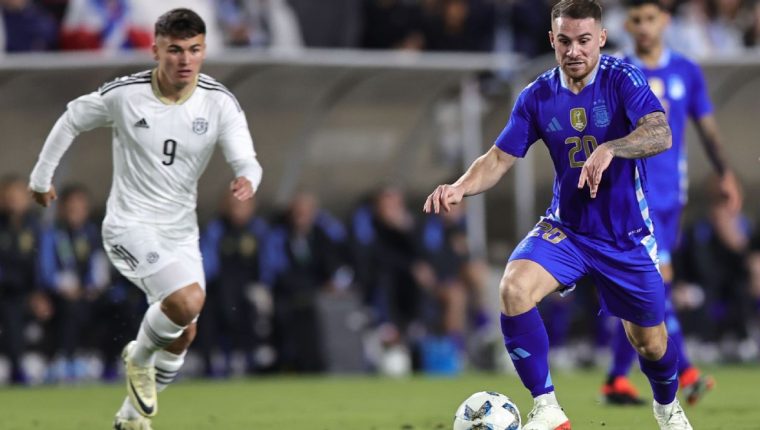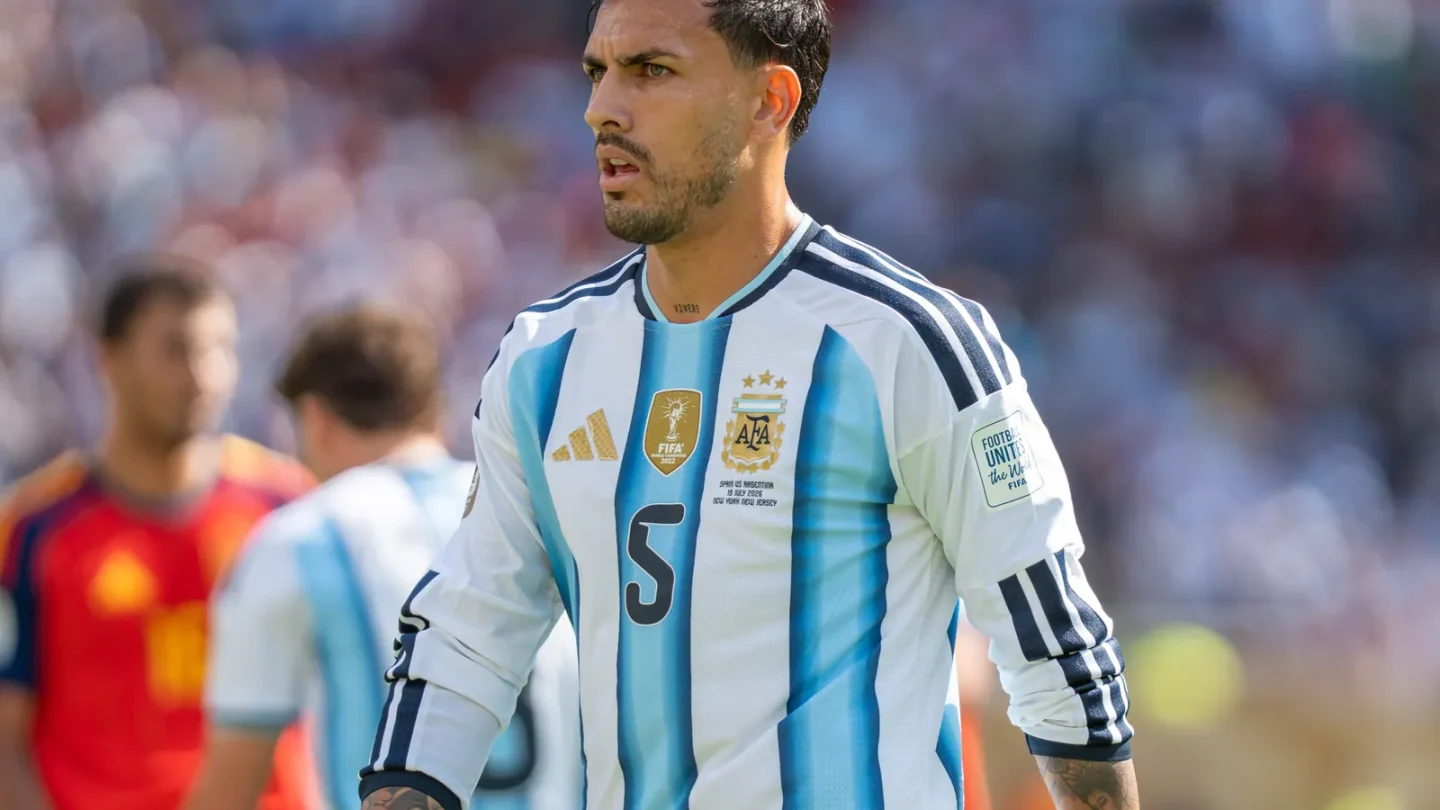
FIFA's Appeals Committee delivered two different decisions on sanctions arising from the 2026 World Cup final against Spain. It maintained Leandro Paredes' ten-match suspension and $90,000 fine, but reduced Nahuel Molina's ban from seven games to four and lowered his fine from $90,000 to $60,000. The ruling immediately changes the players available to Lionel Scaloni.
The case originated in incidents after Spain won the final 1-0. Molina was punished for striking Rodri during the celebrations, while Paredes received the longer sanction following confrontations with Eric García and Gavi. Argentina's appeal achieved a partial review but did not change FIFA's assessment of the Boca midfielder, who remains unavailable for a substantial portion of the international calendar.
The AFA announced that it will request the full grounds before appealing to the Court of Arbitration for Sport. Its challenge will extend beyond Paredes and include the institutional fine of $321,000 connected to discriminatory chanting. The formal step matters because CAS reviews legality and proportionality through the evidentiary record; it is not a political negotiation and does not automatically suspend the punishment.
Molina's position is more favourable, but it is not an acquittal. Four matches still limit the right-back options and require Scaloni to distribute minutes between Gonzalo Montiel and other candidates. Paredes' absence affects a role responsible for build-up, set pieces and leadership. The coaching staff must separate the legal process from sporting preparation rather than construct every squad around an uncertain appeal.
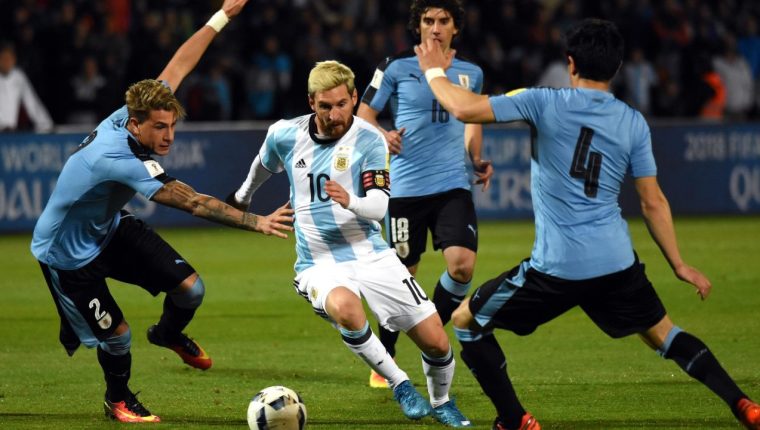
FIFA had already allowed the suspensions to be served in friendlies or official Conmebol fixtures, whichever came first. That rule gives competitive meaning to November: Argentina face Uruguay at La Bombonera on the 13th and Costa Rica in Córdoba on the 17th. Each completed game reduces the balance, but also prevents the team using experienced footballers during a transition after Lionel Messi's international retirement.
Other participants in the incidents received shorter sanctions. Thiago Almada served one match and paid $30,000, while assistant coach Roberto Ayala was punished for three games and the same fine for his part in the confrontation. The comparison explains why Paredes became the centre of the complaint: ten matches cross several windows and can affect the tactical construction of an entire year.
The next stage is documentary. The AFA needs the Committee's reasoning, must define the scope of its filing and decide whether to seek provisional relief. While lawyers work, Scaloni must prepare for Uruguay and Costa Rica with one certainty: Molina recovered part of his calendar, Paredes did not. The ruling does not close the dispute, but establishes the operating reality until CAS decides whether to review and alter it.